

George Orwell has been living in my head rent-free since I was ten years old. He didn’t just shape how I write; he hardwired how I see manipulation masquerading as choice. Orwell once warned, “The most effective way to destroy people is to deny and obliterate their own understanding of their history.” Back then, he was talking about totalitarian regimes. Today, the algorithm does it with better UX design.
Scroll by scroll, swipe by swipe, we’ve traded critical thought for curated comfort. Our news feeds, playlists, and video queues have become invisible cages that tell us what to love, rage at, or ignore. Social media promised connection, but it’s turned into a dopamine casino where every pull of the lever keeps us spinning for validation.
This isn’t dystopia by decree—it’s one we subscribed to willingly. The algorithm doesn’t just know us; it trains us. It shapes what we read on our tablets, what we watch on our TVs, what we hum from our headphones. It’s not Big Brother shouting through telescreens anymore, it’s a friendly voice whispering, “You might also like…” And that’s how control became comfort, and comfort became the new obedience.
The Hijack of Your Ears: Spotify, TIDAL, Qobuz, and the Illusion of Choice
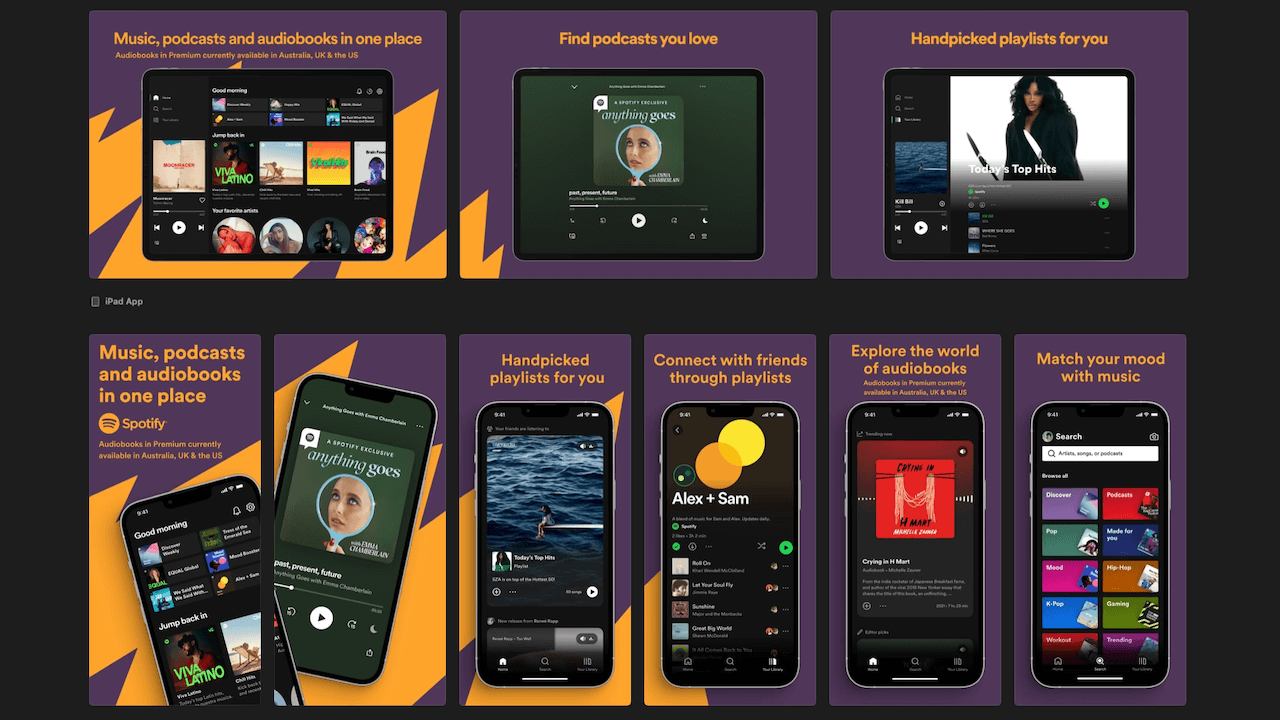
You think you’ve got choice because you clicked on your favorite artists, built a playlist, and hit shuffle. Cute. What you really did was feed the machine—an endless loop of data points teaching it how to sell you back to yourself. The algorithm isn’t your DJ. It’s your handler.
Music streaming has exploded exponentially over the last decade; Spotify alone boasts over half a billion users, and even the so-called “audiophile” platforms like Qobuz and TIDAL quietly feed the same data treadmill. Every skip, like, and replay is logged, analyzed, and used to refine the next “personalized” recommendation. You’re not curating your taste—you’re being profiled by it.
Orwell wrote, “Freedom is the freedom to say that two plus two make four.” In 2025, freedom is thinking you’re discovering new music while the algorithm quietly steers you toward what’s profitable, not profound. Your true listening preferences really matter? The platforms disagree; you only matter as long as you keep listening.
We’ve mistaken convenience for agency. The playlists feel infinite, but the options are narrow—guided not by artistry, but by engagement metrics and corporate partnerships. That “Discover Weekly” mix? It’s not discovery. It’s digital déjà vu with a new thumbnail.
So yes, keep streaming your favorite records. But don’t fool yourself into thinking you’re in control. The algorithm’s already queued up your rebellion—right after the next ad.
The Algorithm Will Be Televised: Netflix, HBO, Prime, and TikTok Serial Killer Cosplay

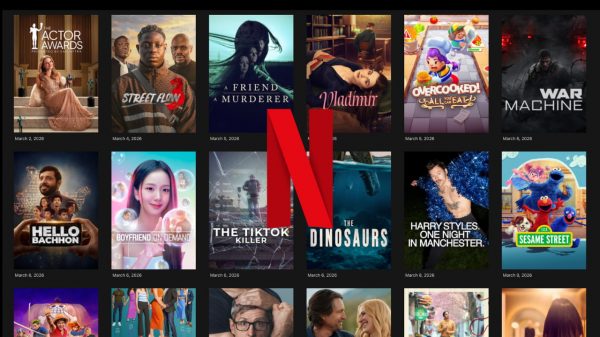
Remember when flipping channels meant choosing what to watch? Now, Netflix, HBO, and Prime flip you. You open the app thinking you’ll pick something—anything—but before you’ve even blinked, the thumbnails start whispering. “Trending Now.” “Because You Watched.” “Top Picks For You.” You didn’t choose the serial killer docuseries. It chose you. And it’s about to recommend four more because you lingered too long on the preview.
Would you have watched five seasons of Breaking Bad, Stranger Things, or The Bachelorette before algorithms gamified your dopamine? Probably not. You’d have gone outside. Maybe seen friends. Maybe even spoken to your family without subtitles. But now you’re ten episodes deep into a crime drama about a cannibal taxidermist because your “personalized” feed says people like you can’t get enough of morally gray Midwestern despair.
Orwell once wrote, “To see what is in front of one’s nose needs a constant struggle.” These days, we can’t see past the next autoplay. The algorithm has turned leisure into labor—scrolling through endless sameness disguised as choice. Bosch would’ve seen it as the new confessional booth: the sinner kneeling before the screen, repenting with every click.
And have you noticed what your feeds are really serving up lately? Trump. Israel. ICE. Endless moral Rorschach tests designed to keep you arguing with strangers on X instead of making eye contact with someone who actually knows your name. TikTok’s an even darker mirror—every other video is a macabre dance between self-absorption and soft nihilism, an Ed Gein cosplay with hashtags. It’s all designed to make you feel informed, enraged, and ultimately, obedient.
So, was TV better before all this? Maybe. Or maybe we were just freer before the algorithm convinced us that watching other people live was living itself. We’ve traded spontaneity for streaming schedules, community for commentary, family dinners for parasocial validation.
The algorithm doesn’t need telescreens anymore. It has your smart TV, your Prime account, and your undivided attention. “You will be hollow,” Orwell warned, “we shall squeeze you empty, and then we shall fill you with ourselves.”Congratulations—autoplay just did it faster.
Social Media and the Ministry of Truth: Where Outrage Is the New Oxygen

Social media was supposed to connect us. Instead, it became a coliseum of moral posturing where everyone’s gladiating for the next, louder, more addictive hit of validation. We don’t converse anymore—we perform. And the crowd? A digital jury of people who haven’t blinked since 2016.
Log on to any platform and you’ll find yourself in a Choose Your Own Dystopia adventure. One scroll and you’re told electing a socialist, antisemitic mayor of New York is a triumph for “equity.” Another and you’re informed that if you don’t endorse whatever hashtagged ideology is trending this hour, you’re a bigot, a fascist, or somehow personally responsible for global warming. Orwell would’ve smirked and said, “In a time of deceit, telling the truth is a revolutionary act.” On X, it’ll just get you ratioed before breakfast.
We’ve replaced curiosity with outrage and replaced nuance with hashtags. The algorithm doesn’t care what side you’re on; it just wants you angry enough to stay. You’re not thinking about the Middle East, vaccines, or school curriculums. You’re reacting to them. And every reaction is monetized. Congratulations, you’re the product and the propaganda.
Meanwhile, kids can’t read past a headline but can spot “microaggressions” at ten paces. Math scores are collapsing, but classrooms are fluent in gender theory and moral panic. Critical thinking’s been replaced with emotional loyalty tests. Orwell warned us that controlling language meant controlling thought. We’re living proof he wasn’t exaggerating—just early.
And if all that isn’t bleak enough, we’ve outsourced human intimacy to swipe mechanics. Tinder, Bumble, Hinge—digital vending machines of validation. We don’t meet people anymore; we filter them. You used to introduce yourself in a café, a bookstore, maybe at a concert. Now we ghost strangers we’ve never met and call it self-care. You want romance? Try talking to someone without emojis or an algorithm helping you decide if they’re worth it.
Bosch once said, “Everybody counts, or nobody counts.” Social media made sure nobody really does. We’ve traded conversation for content, presence for performance. The rebellion won’t be televised—or posted. It’ll start the minute you take the headphones off, put the phone down, and actually look someone in the eye.
Unplug, Unscroll, Unalgorithm: The Radical Act of Being Human Again
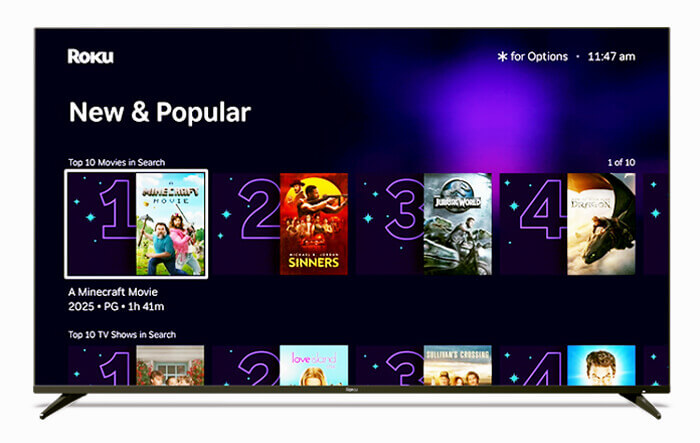
Remember bookstores? Those sacred, dusty temples of chance where you could stumble on something brilliant without an app telling you it’s “similar to what you already like”? Walk into one. Leave your phone in your pocket. Browse. Touch the spines. Sit down and read for twenty minutes. The world won’t collapse. Your YouTube subscribers will survive. TikTok can function without your daily confessional about your dog, your new socks, or that culinary war crime you called shakshuka. Newsflash: you’re not that special. None of us are—and that’s the most liberating truth left.
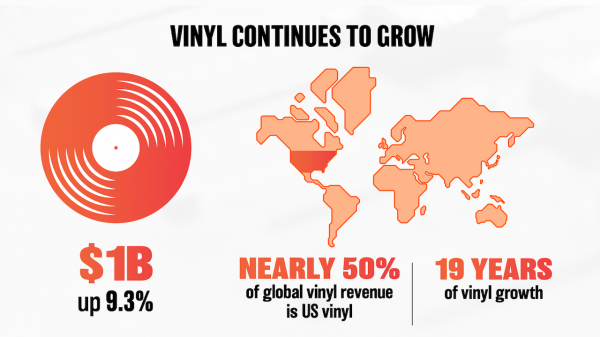
Physical media still matters because it asks something of you. You own it. You chose it. It takes up space and reminds you that art—real art—isn’t meant to vanish when licensing deals expire. The one good thing about the music algorithm is that sometimes it shoves you toward something worth buying on vinyl or CD. Music you rent isn’t special. It’s a subscription to your own amnesia.
We’ve mistaken scrolling for living and validation for value. But when was the last time you had a conversation—an actual one—with someone who doesn’t share your views? The algorithm thrives on tribalism because discourse doesn’t generate ad revenue. But real conversations—the kind that make you uncomfortable, make you think—that’s where humanity still hides. Talk to people who disagree with you. Most of them aren’t monsters. They’re just caught in their own feed.
Orwell’s final warning wasn’t about surveillance—it was about surrender. “If you want a picture of the future,” he wrote, “imagine a boot stamping on a human face—forever.” But the boot doesn’t need to stomp anymore. We’ve built a cozy little pillow for it and called it “content.”
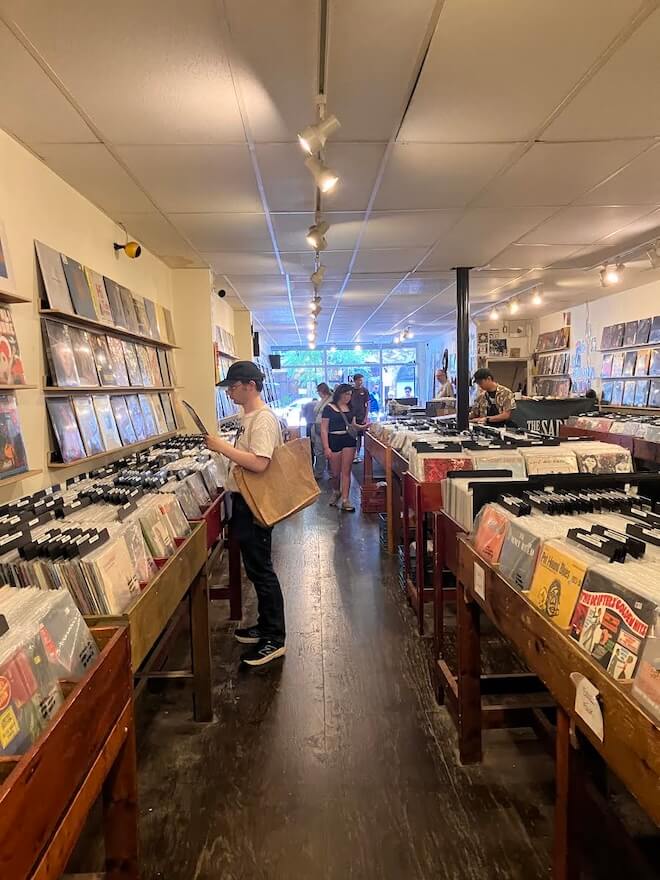
So close the app. Buy the book. Play the record. Speak to the stranger. Because if you don’t—if you keep scrolling through digital narcotics and rented emotion—you’ll forget what it feels like to feel.
Love becomes a filter. Hate becomes a comment thread. Passion fades into pixels, rage gets throttled by moderation bots, and elation turns into an emoji pack you download for $1.99 from Apple. Even orgasm becomes algorithmic—timed, optimized, recorded, and forgotten. We are losing the rawness that made being human worth the pain in the first place.
Every hour we spend feeding the machine, we surrender another piece of the animal that loves, bleeds, and breaks. The algorithm doesn’t want your happiness or your despair—it just wants your attention, parceled out one tap at a time. It’s not killing us quickly; it’s sanding down our edges until there’s nothing left to feel sharp anymore.
So yes—shut it down. Buy something that lasts. Touch paper. Drop a needle. Argue with someone who makes your pulse spike. Fall in love with something that can’t be paused or streamed. Because if we don’t, we won’t need Orwell’s boot—we’ll smother ourselves beneath our own comfortable glow, mistaking sedation for progress.
The rebellion isn’t digital. It’s primal. And it begins the moment you remember what it’s like to feel everything again.
Related Reading:
- Burn The Algorithm: Why Bandcamp’s Survival Matters More Than Spotify’s Billion-Dollar Playlist Machine
- Netflix AI Search: Because Apparently, The Algorithm That Keeps Recommending Bad Influence Wasn’t Sensitive Enough
- 6 New Albums Your Corporate Algorithm Won’t Tell You About: The Honest Broker
- I Return to Vinyl After 34 Years: The Honest Broker
- Record Labels Dig Their Own Grave. And the Shovel is Called TikTok
































Anton
November 5, 2025 at 10:30 pm
Maybe the smartest thing I’ve read in any tech magazine over the past decade.
Orwell would have dug this one.
Ian White
November 6, 2025 at 2:17 am
Anton,
That feels like false praise. Hardly the “smartest” thing but definitely something I feel strongly about. I think we’re letting the algorithm take us down the garden path to becoming mindless beings — and access to Taylor is not a price I’m willing to pay.
IW
Zoran the Little
November 5, 2025 at 10:51 pm
I’m sure this will be controversial for the simple reason that it’s too late for people to change.
Your line about “digital narcotics” is sadly true. We are all addicts. And we’re lying to ourselves if we think we can go cold turkey.
Well done.
Ian White
November 6, 2025 at 2:15 am
Zoran,
Appreciate that. Digital narcotics was the first thing that came to mind.
IW
David
November 6, 2025 at 3:25 am
Good stuff, Ian. I will have to reread this tomorrow when I am fresh. You are forcing me to think, I like that.
I appreciate the quotes form Bosch and from that incredible visionary, George Orwell. Through your repeated references to Bosch I shall be adding that series to my watch list. I’ll also be sending a link to your essay to my boys and to other family members.
Thanks
David
Ian White
November 6, 2025 at 10:38 am
David,
Appreciate that very much. Bosch is a fantastic character. Orwell was my inspiration as a kid to become a writer.
IW
Catherine Lugg
November 6, 2025 at 12:48 pm
Ian,
I will gently dissent to some extent. Digital media are tools. They can be highly manipulative, but so can other forms of media including books. Digital media have made my life immeasurably better since physical media are horrors with RA and PsA damaged hands. So, I have been divesting myself of physical media since I physically can NOT handle that stuff (books too, sadly).
The digital age has been a boon to many of us in disabled communities. Yes, we can be manipulated by the algorithms involved. But see propagandist books, John Phillips Sousa marches on vinyl (which are imperial vomit), etc. etc. The rules for engaging with any media remain: Be critical, be skeptical, but also of our own assumptions.
Thanks for the thoughtful piece.
Ian White
November 6, 2025 at 3:08 pm
Catherine,
Thank you for your thoughtful response. I get your point completely—but my issue is with the algorithm itself. Digital media absolutely has its place (says the person typing this on a computer while running the editorial side of an online magazine). And the tools we have today are incredible—just think about how far we’ve come in ten years. But have we also let those in charge manipulate us through them?
Books have been used to manipulate people for centuries—Hitler managed to do it quite effectively with his rambling, deranged Mein Kampf. The difference now is scale. Ninety-nine percent of humanity isn’t truly critical. Maybe a little skeptical, sure—but mostly content to let Big Tech decide what they see, read, and feel, all for uninterrupted access to Taylor Swift or the latest dose of performative outrage.
IW
Asa
November 6, 2025 at 7:57 pm
*Slow clap*
Being critical takes work and work requires thinking + experience + knowledge that leads to discernment. Ultimately, people lack discernment and the ability to connect dots, thus the ‘Algo’ will intervene to connect it’s own.
Like those that have gone before us, we haven’t learnt much collectively, but individually, maybe 1% understand what time it is. The principles in your post can be applied to almost all aspects of society.
I’m happy to see you have editorial freedom wrapped in this format to occasionally lay bare that what we have before us as it didn’t happen overnight, nor will it change without our effort. Add AI to the equation and we’re ripe for…what we probably deserve.
In the music world, the last five years has shown that ‘rock’n in the free world’ and ‘rage against the machine’ are empty words that proved to be meaningless within a corrupt industry run on greed, envy, and control.
Your post is well illustrated here:
https://hennessy.iat.sfu.ca/wp/stc2018/2018/01/18/stuart-mcmillens-graphic-illustration-comparing-orwells-1984-with-huxleys-brave-new-world/
Ian White
November 7, 2025 at 12:50 am
Asa,
I think most human beings threw in the towel years ago. They’re happy to be told what to think, listen to, watch, and read. The notion that we have real freedom is weird to me looking at how we consume media and interact these days. Those in charge, who have programmed all of these platforms to make us feel so many emotions…know that we will always come back and keep making them money. I choose to go outside, take slapshots against the garage door, and enjoy my Pho in total silence.
Glad the piece resonated.
IW