DUNU is a veteran Chinese audiophile brand. Over the 10+ years they’ve been in business, DUNU has released a wide variety of acclaimed IEMs. Their previous generation of IEMs, such as the DK3001 and Glacier, spawned entire fan-bases and modding sub-cultures. They’ve begun what looks to be a small shift in marketing and design direction, beginning with their new pair of tribrids, the DN142 and DN242. Whether it be trend-chasing or a genuine interest in exploring Chinese mythology, the new pair of DUNU tribrids lean heavily on the imagery and vision of traditional characters. They’ve simultaneously adopted a new, admittedly adorable, mascot.
The question that matters, though, isn’t whether the branding is eye-catching, but whether all this renewed creative energy translates into well-executed IEMs that actually deliver. Let’s get into it.
Listening Preferences & Review Context
This review is a subjective evaluation, shaped inevitably by my own listening priorities. I make a conscious effort to stay consistent and fair in my comparisons, but no amount of methodology fully removes personal bias. Transparency matters, so here’s the lens through which this review should be read.
My reference sound signature favors controlled, authoritative sub-bass with a textured and articulate mid-bass, a slightly warm and natural midrange, and treble that is extended and detailed without tipping into glare. I also have mild sensitivity to elevated treble energy, which influences how I assess brightness, fatigue, and long-term listenability.
Full details on my testing equipment, methodology, and evaluation standards can be found here.
For testing, I used a mix of dedicated DAPs and portable dongles, including the HiFiMAN SuperMini, Hidizs AP80 Pro MAX, and Astell & Kern PD10, alongside the Astell & Kern HCL, AudioEngine HXL, Meze Alba Dongle, and the Apple Dongle. This range covers everything from audiophile-leaning sources to everyday mobile use.
Unboxing
Build
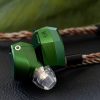
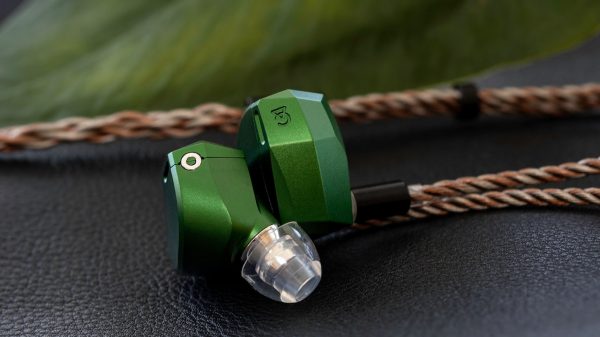
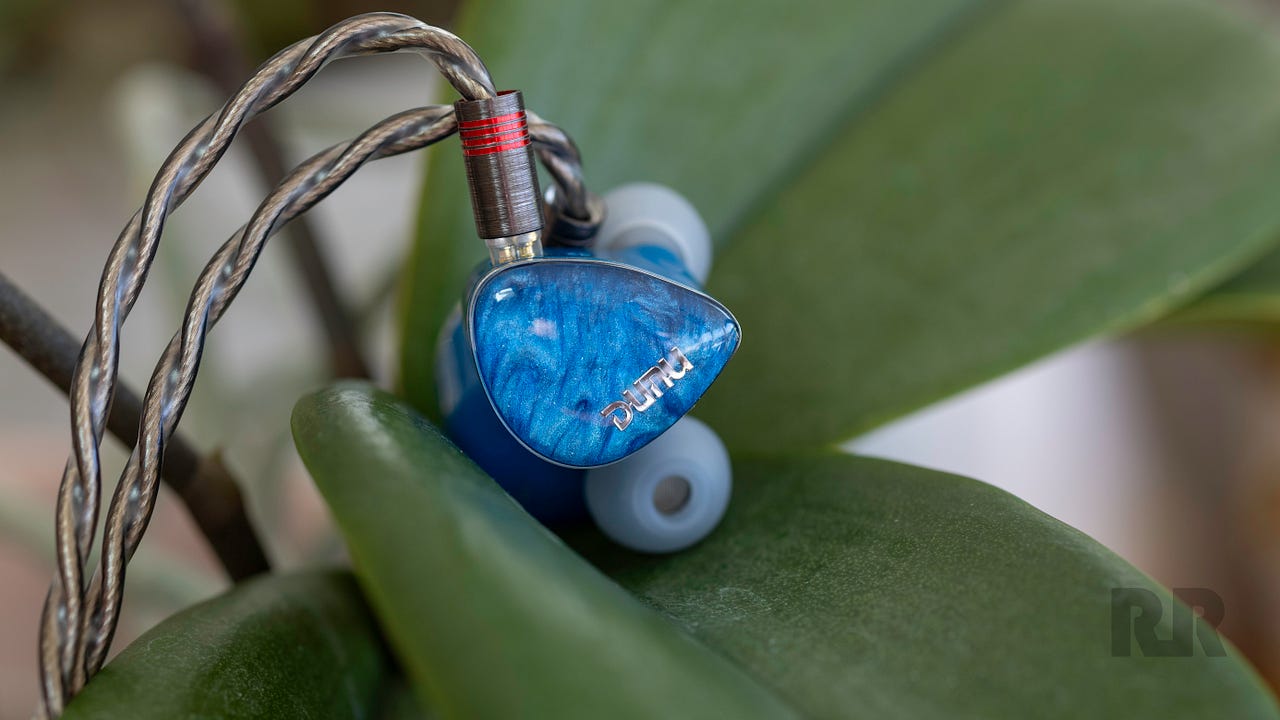
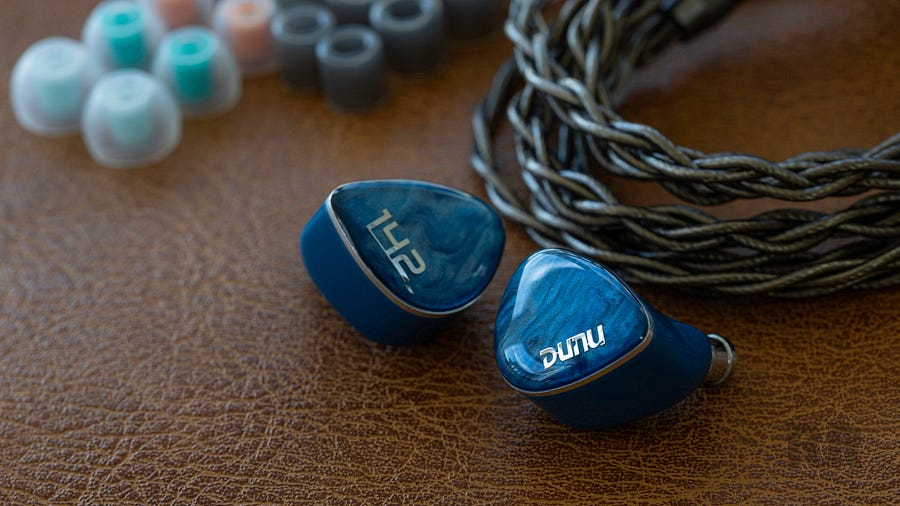
The DN142 (and its sibling, the DN242) feature 3D-printed resin shells, manufactured by HeyGears: a well-known 3D-printing outfit based in China. The DN142’s faceplates are pretty and are lined by a chromed piece of plastic. The construction is clean, as is the case with pretty much anything DUNU sells.

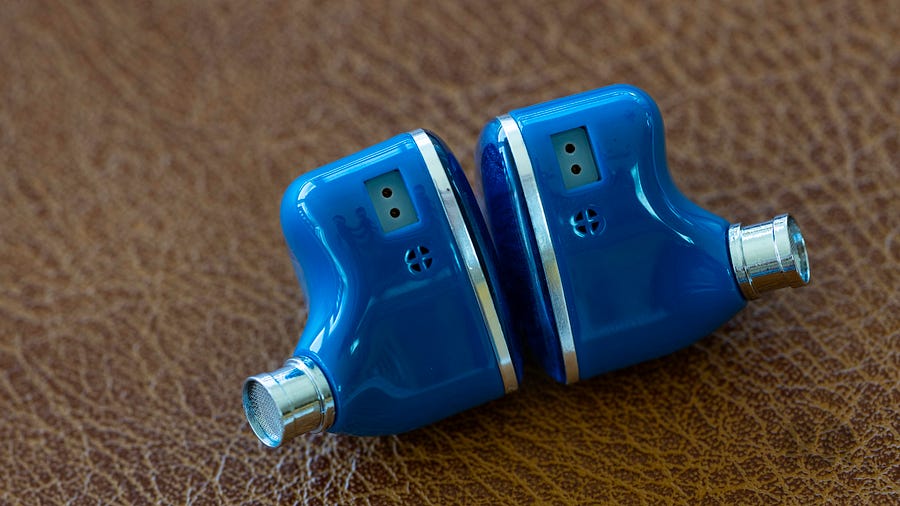
The top of the DN142’s shells houses standard 2-pin cable sockets, with no MMCX option offered. If MMCX is non-negotiable, you’ll need to look elsewhere in DUNU’s lineup. The 2-pin connectors are partially recessed, but clearance is generous enough to maintain compatibility with the vast majority of aftermarket cables.
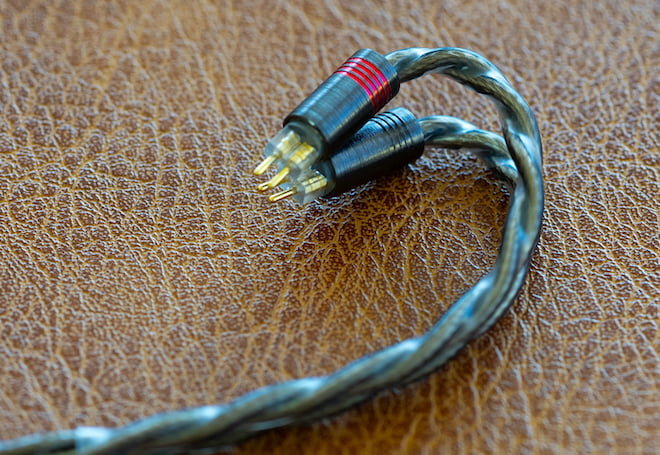
The DN142’s cable is identical to the one that comes with the ITO and DN242, which is to its benefit. This cable is well-built and uses DUNU’s excellent modular connection system. It comes with a 3.5mm and 4.4mm termination, though as of writing, you can get a free USB-C termination from DUNU when you order from their website. The cable itself is fairly soft and pliable. I can easily coil and store it in smaller cases. It’s not quite as “hefty-feeling” or comfortable as the cables that comes with pricier IEMs like the Vulkan II, but its more-than-acceptable for this price-point..
Comfort
Comfort is inherently personal and heavily dependent on individual ear anatomy, so mileage will vary.
To my ears, the DN142 is of average comfort. Its shells are on the larger side, but it is light and sculpted properly. If I don’t seat it well, I can become uncomfortable in as little as 30 minutes. If I place it carefully in my ear, I can get 1–2 hours of comfortable, uninterrupted listening.
I’m pretty happy with the DN142’s passive isolation. Its nozzle size and length are compatible with my ears and allow me to block out an above-average amount of noise, even with the stock silicone eartips.
Accessories
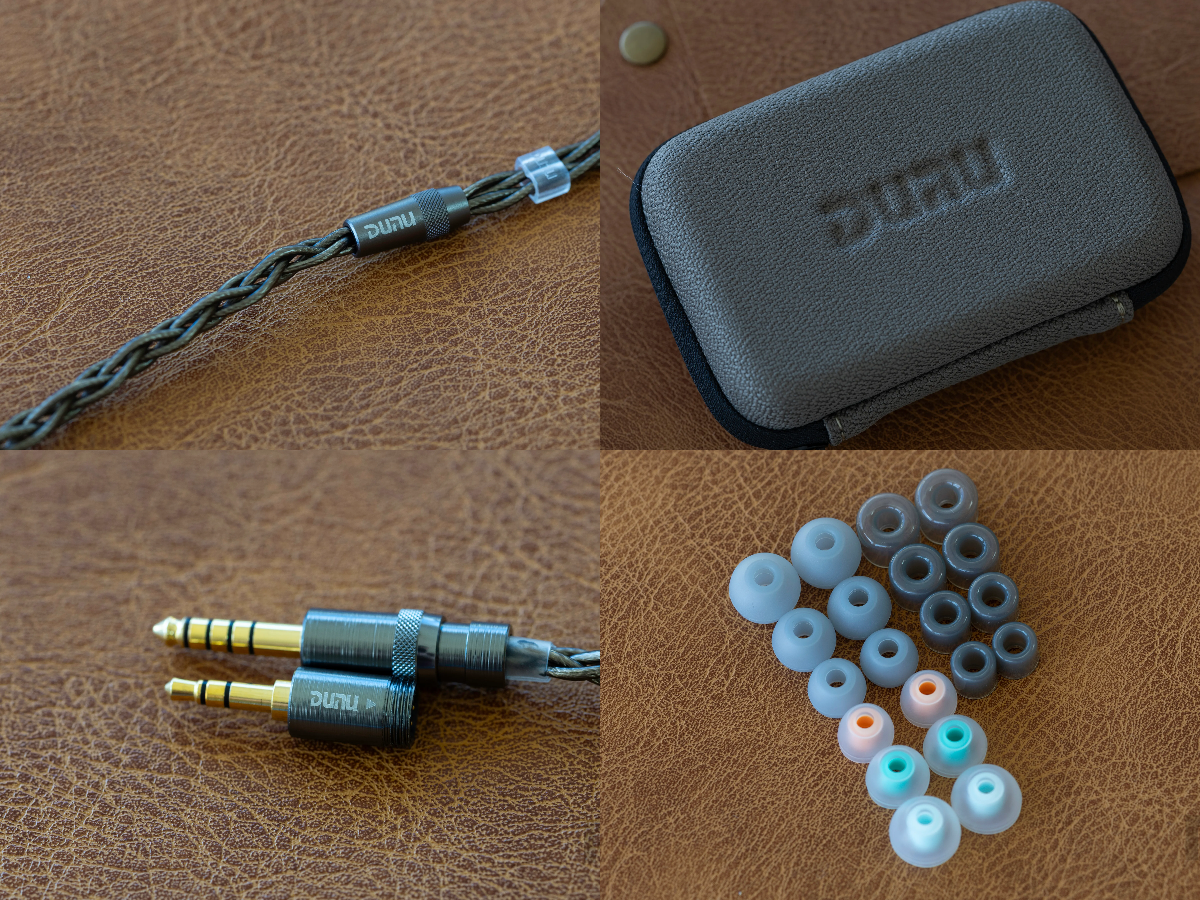
Inside the box, you’ll find:
- 1 x 0.78 mm 2-pin cable
- 1 x 3.5 mm termination
- 1 x 4.4 mm termination
- 1 x semi-hard carrying case
- 3 x collectible cards
- 1 x 1/4-inch to 3.5 mm adapter
- 10 x pairs of silicone eartips
As is tradition with DUNU, the DN142 arrives well stocked. The carrying case, shared across several DUNU models, isn’t flashy, but is sturdy and does the job. The modular cable is the same proven design found elsewhere in the lineup and works exactly as intended. Tip selection is generous for silicone users, offering plenty of fit options out of the box. Foam eartips are absent, which is a bit of a letdown, but it’s consistent with DUNU’s usual approach.
Tech Specs
The DN142 is a seven-driver tribrid IEM built around a hybrid array that combines one dynamic driver for low and ultra-low frequencies, four custom balanced armatures split between midrange and treble duties, and two custom micro planar drivers handling the ultra-high frequencies. This configuration is managed by a four-way crossover architecture designed to maintain phase coherence and smooth handoffs between driver types, rather than sounding stitched together.
Per side, the DN142 weighs approximately 5.6 grams and is rated with a frequency response of 5 Hz to 40 kHz. Impedance is specified at 37 ohms with a sensitivity of 107 dB per milliwatt at 1 kHz, which places it firmly in the “easy to drive” category for most modern DAPs and dongles. Total harmonic distortion is rated below 0.5 percent at 1 kHz, suggesting competent control across the audible range.
The included cable is a 4-core, high-purity silver-plated OCC copper design measuring 1.2 meters in length, terminated with standard 0.78 mm 2-pin connectors and DUNU’s Q-Lock MINI modular plug system. Both 4.4 mm balanced and 3.5 mm single-ended terminations are included in the box.
Listening
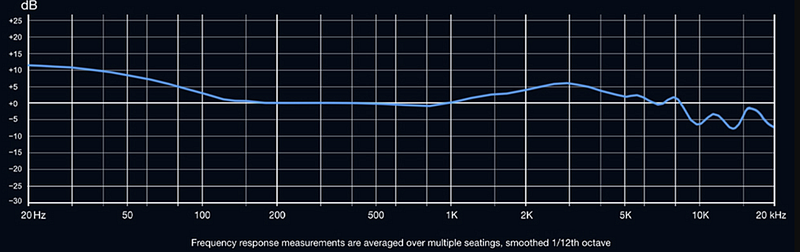
The DN142 follows a U shaped, nearly V shaped, frequency response. It features emphasized sub-bass that gently blends down into the 200Hz range. Its lower-midrange is fairly linear and is not emphasized. The DN142’s upper-mids are energetic and forward, delivering a clear and distinct vocal range. Instrumental position is quite clear thanks to strategic emphasis in the upper-treble near the 6KHz and 8KHz ranges. Mercifully, DUNU properly-tamed the DN142’s 10KHz energy, pushing it down into a small valley to protect treble-sensitive listeners such as myself.
Dang Fine Treble Tuning
DUNU’s tuning team generally favors more treble energy than I do. Past models like the DK3001 and Falcon C are quite bright by my standards, so seeing “dual planar drivers” on the DN142 and DN242 spec sheets immediately set off alarm bells. My concern was not a lack of faith in DUNU’s engineering, but rather the industry’s uneven track record with micro planar implementations, which too often turn into bright, splashy, unfocused affairs.
The DN142 dispenses with these preconceptions, authoritatively. Its treble is lively and expressive without crossing into sharpness or sibilance. Extension is handled with control, delivering air and detail while staying composed. Tracks like “When I Come Around” by Green Day showcase the DN142’s treble resolution. It captures the fine nuances in the drummer’s hi hats, cymbals, and snare work with imaging quality that is hard to find below the $500 mark, let alone under $250. Metallic textures are rendered with convincing precision, giving transient details a lifelike, fleeting presence.
Upper treble attack and decay are handled with care, and the DN142’s ability to layer information without turning brittle makes it a genuinely formidable performer. Packing an IEM with treble energy is easy. Doing it without punishing treble sensitive listeners is not. The DN142 manages that balance well. It is not a mellow tuning, but it remains a largely safe listen. Even sharper tracks like “Satisfy” by Nero and “The Funeral” by Band of Horses introduce only the slightest hint of heat, so minor that I never felt compelled to adjust the volume.
Impartial Midrange Tone
The DN142, the first entry in DUNU’s new Delicate Series of IEMs, was designed to be generous, though transparent. While these aren’t wholly-congruent sonic ideals, DUNU did a good job of balancing them. Instrumental tone sits close to neutral, with a slight lean toward the brighter side of the spectrum. Guitar textures in tracks like “Holdin’ It Down for the Underground” by A Day to Remember come through cleanly and with purpose, without excess thickness or blur.
The DN142 is particularly adept at layering busy mixes while preserving separation. “Bring It on Back” by Jet is a good example, where competing instruments remain clearly defined rather than collapsing into a midrange haze. It also resolves deeper seated string elements well, even at lower listening volumes, which speaks to solid midrange resolution rather than brute force tuning.
My main reservation with the DN142’s mids is a subtle sheen that can occasionally appear on higher pitched vocals. This effect tends to sit at the edges of vocal lines and shows up intermittently. Oliver Tree’s vocals on “Nothing’s Perfect” by NGHTMRE, already heavily processed in production, take on a bit more shine here than they would on an IEM with a calmer upper register.
Flexibly Tuned Bass
The DN142 features a sub bass focused low end. There is some mid bass presence, but not to the extent you would expect from an IEM tuned specifically for EDM. Modern, bass heavy mastering styles like those used by Joji pair well with this approach. The bass line in “Window” rumbles with satisfying depth and completeness, providing much needed contrast to the track’s high pitched vocals.
Rock and its many sub genres are genuinely enjoyable here, as the DN142 delivers enough weight and drive to create a lively and engaging soundstage. That said, it does not hit with the visceral force of a dedicated basshead IEM. “My Condition” by Dead Poet Society sounds clear, articulate, and weighty thanks to its robust sub bass foundation, but the drums offer only a modest sense of punch and air movement. “Little Monster” by Royal Blood is presented similarly, with a touch of punch and sufficient depth to properly fill out the lower register.
Balancing performance and fun is never easy, and doing so under $250 only magnifies the challenge. While the DN142 is not a basshead tuning, its ability to deliver an exciting low end without smearing or bleeding into the midrange is impressive. For all but the most ardent bass lovers, it makes an excellent match for rock and alternative music.
Electronic tracks are more of a mixed bag. The DN142’s relatively restrained mid bass means bass performance depends heavily on both listening volume and mastering style. “Quantum Immortality (AWAY Remix)” comes through with richness, weight, and a satisfying sense of fullness. By contrast, “One Minute” by Krewella rumbles convincingly but lacks real punch. “Double Edge” by Flux Pavilion is similarly dynamic and engaging, but once again leans more on sub bass rumble than outright impact.
Comparisons
DUNU ITO

The ITO is a $199 hybrid IEM from DUNU with resin shells and resin nozzles, a 2 pin connection, and the same modular cable used by the DN142 and DN242. Accessory bundles are nearly identical, but the additional $50 for the DN142 gets you metal nozzles, a meaningful upgrade for long term durability. Resin nozzles are more prone to cracking over time, especially in high UV or humid environments, while metal nozzles are effectively worry free.
Tuning is where these two clearly diverge. The ITO is unapologetically bass heavy, with significantly more sub bass and mid bass and a warmer overall presentation. The DN142 is cooler, brighter, and more energetic, with a cleaner and more articulate low end. While the DN142 still handles bass forward music competently, it resolves finer bass textures and mid bass detail that the ITO tends to smooth over. For electronic music, especially artists like Flux Pavilion and Taska Black, the ITO delivers more outright impact, though some listeners may find its bass overwhelming or intrusive in rock and alternative where it can bleed into the lower mids.
If I had to choose, the DN142 is the easy pick. The modest price increase buys a more flexible and technically capable IEM, along with more durable construction. Its carefully balanced treble also makes it a rare high energy tuning that I can enjoy despite my sensitivity. Bassheads and EDM focused listeners may still gravitate toward the ITO, but my preferences clearly favor the DN142.
DUNU DN242
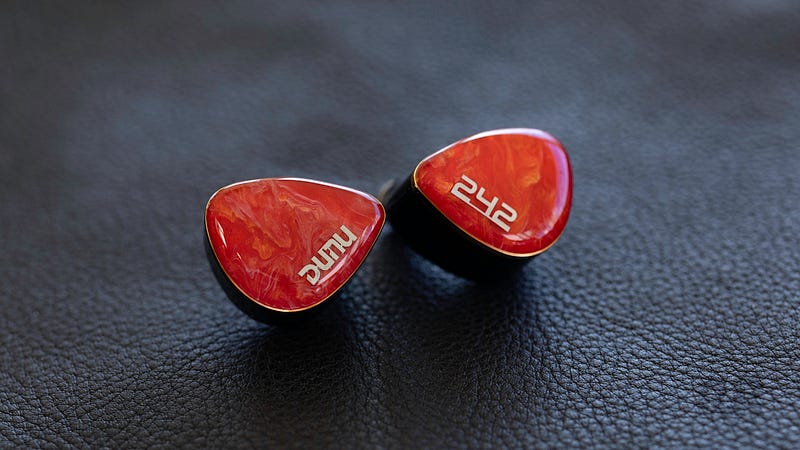
The DN142 and DN242 may be marketed as siblings, but they sound far less alike than their shared shells and visual design suggest. Where the DN142 follows a U shaped, nearly V shaped, tuning, the DN242 is noticeably more linear. Its sub bass is dialed back, the lower mids are slightly warmer, and the upper mids are less pronounced. Treble on the DN242 is brighter overall, with more fill across the upper register, positioning it as a north of reference tuning with a modest sub bass shelf and elevated highs.
By comparison, the DN142 comes across as friendlier and more dynamic. The DN242 often sounds overly bright and, at times, glaring. Even relatively tame tracks that remain controlled on the DN142 can become sharp and fatiguing on the DN242. While the DN242’s leaner and brighter presentation may appeal to some listeners, it does not align well with my preferences.
Between the two, the DN142 is the clear choice for me. Its stronger bass presence, warmer midrange, and less aggressive upper register create a listening experience better suited to my music library and personal taste. The DN242’s higher price tag also works against it, offering little incentive given its tuning direction.
EarAcoustic Audio Genesis G318s
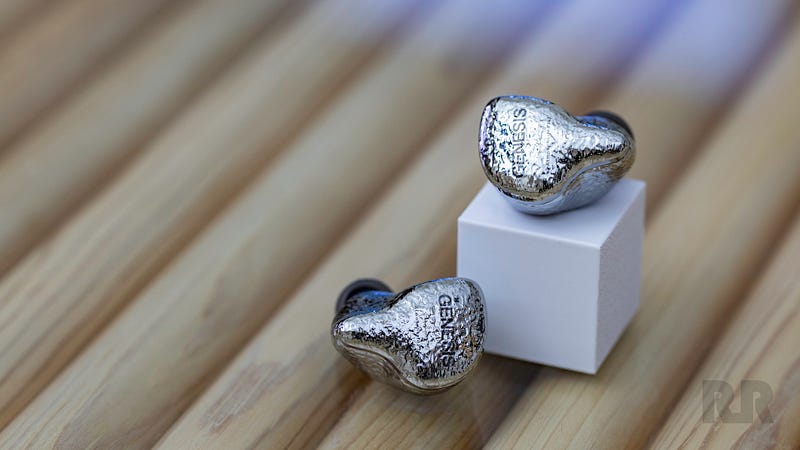
The Genesis G318 is an all metal IEM using a single dynamic driver per side and sells for $249, placing it directly against the DN142 on price. Both include solid cables, but I prefer the DN142’s. It makes more generous use of strain relief, features an excellent modular connector, and avoids the distracting microphonics present on the G318’s cable. The Genesis comes with a larger and more visually distinctive case, though it does not offer meaningfully better protection than DUNU’s standard zippered case. The DN142 also includes a far more comprehensive selection of stock eartips, easily surpassing the G318 in both quantity and overall quality.
Sonically, the DN142 is cooler, brighter, and less bass focused than the G318. It lacks the warm, smooth, mocha latte like richness that defines the Genesis’ presentation. Instead, the DN142 relies on its multi driver configuration to balance energy and technical performance. To my ears, the G318 is the more charming listen. Its bass warmth, combined with solid technical ability and a well judged upper register, delivers a character that is relatively uncommon in the single dynamic driver segment.
That said, the DN142 offers a more electrifying experience overall. Its emphasized upper mids and treble introduce a sense of air and openness that the G318 cannot quite match. The DN142 also reaches deeper into the rear of the soundstage, resolving fine treble textures that the G318 tends to smooth over. If forced to choose just one, I would likely pick the G318 for its metal construction and richer, fuller low end, which pairs well with my library and taste. Listeners who prioritize technical performance, air, and clarity, or who are less inclined toward warmth, will likely find the DN142 the better fit.
ZiiGaat Crescent
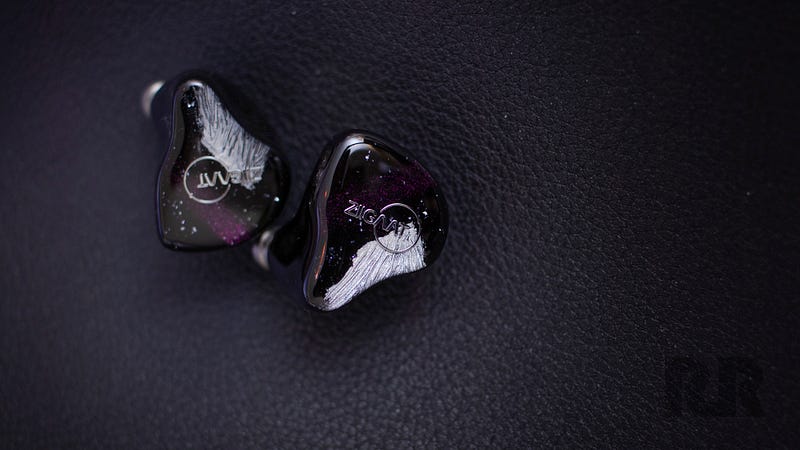
The ZiiGaat Crescents a four driver hybrid IEM with resin shells and a metal nozzle, priced at $279. It includes a basic modular cable that, frankly, does little to impress. The stock cable is among my least favorite I have encountered, lacking refinement and feeling uninspired in both handling and build. By contrast, the DN142’s cable is thicker, more flexible, less prone to tangling, and uses a far superior modular termination system.
Sonically, the Crescent presents a smoother and less dramatic upper register. Its upper mids are slightly less forward, while the lower mids carry a bit more warmth and the mid bass is marginally fuller than on the DN142. It delivers a touch more physical impact, but with slower transient response and less control. The DN142 extends further at both frequency extremes, and its added upper treble energy allows it to extract detail with greater vigor. While the Crescent’s relaxed top end is pleasant for casual listening, it does not resolve the same range of textures that the DN142 consistently reveals.
The DN142 also avoids the vocal sizzle that occasionally creeps into the Crescent’s presentation. Its more refined midrange, to my ears, highlights the quality gap between the two. As a result, the DN142 is my clear preference. The Crescent’s weaker accessory package and cable, combined with its higher price, are difficult to justify.
Kiwi Ears Astral

The Kiwi Ears Astral is a seven driver hybrid IEM using resin shells, metal nozzles, and flush 0.78 mm 2 pin sockets. It sells for $299, placing it $50 above the DN142. In terms of accessories, the comparison is not flattering. The Astral includes a worse case, fewer eartips, and a noticeably inferior cable. Judged on packaging alone, you would assume the DN142 is the more expensive product.
The Astral also adopts a modern U shaped tuning, but one that I find far less convincing. Its bass response lacks the natural weight and consistency of the DN142, especially with electronic music. Despite its unusual frequency response graphs, the DN142 blends sub bass into the mid bass smoothly and predictably.
The Astral, by contrast, rolls off more abruptly into the lower mids, resulting in a lopsided bass presentation. The DN142’s midrange is more linear and avoids the sterile character that creeps into the Astral. Upper mids are more energetic, treble presence is stronger overall, and importantly, the DN142 avoids the large upper treble spike that can make the Astral sound shrill and metallic.
While the Astral technically includes one more driver per side, it does not translate into superior performance. The DN142 retrieves just as much upper register detail, but without the odd timbral artifacts. The Astral’s cleaner sounding low end does not uncover additional texture or nuance, and the DN142 manages to keep pace without sacrificing mid bass body or musicality.
Between the two, the DN142 is the clear choice. Its more natural tuning, broader genre flexibility, and far better accessory package make it the stronger value. Factor in the lower MSRP and excellent stock eartips, and the savings become difficult to ignore.
The Bottom Line
The DN142 is a confident, well executed IEM that shows DUNU knows exactly what it is doing in the sub $300 space. It is tuned with intent, technically capable, and priced aggressively enough to make a lot of similarly “modern tuned” competitors feel awkwardly positioned. Build quality is solid, the accessory bundle is genuinely generous, and performance consistently outpaces what the asking price suggests.
This IEM is best suited for listeners who want an energetic, engaging sound without crossing into fatigue. If you enjoy clear vocals, strong treble resolution, and a sub bass focused low end that stays disciplined, the DN142 makes a lot of sense. Bassheads looking for maximum slam or listeners who prefer a very relaxed top end may want to look elsewhere, but for anyone chasing balance, detail, and versatility across genres, the DN142 is excellent value and one of the more complete packages in its price bracket.
Pros:
- Well judged U shaped tuning with strong sub bass and lively treble
- Excellent treble extension without excessive sharpness or sibilance
- Clear, articulate midrange with good separation and layering
- Competitive technical performance
- Durable metal nozzles and solid overall build quality
- Outstanding accessory package, modular cable, and extensive eartip selection
- Easy to drive
Cons:
- Restrained mid-bass
- Slight vocal sheen on higher pitched vocals
- Larger shell size may limit comfort for smaller ears
Where to buy:
Related Reading:
- Best IEMs: Editors’ Choice
- Apos X Community Rock Lobster IEM Review: A Genre Specialist That Pinches Hard In The Best Way
- Campfire Audio Introduces Iris, The Budget Hybrid IEM That Literally Has Nothing To Hide
- DUNU X KOTO ITO: Multi-Driver Hybrid IEM With Dual Dynamic & Balanced Armature Drivers Is Only $199