
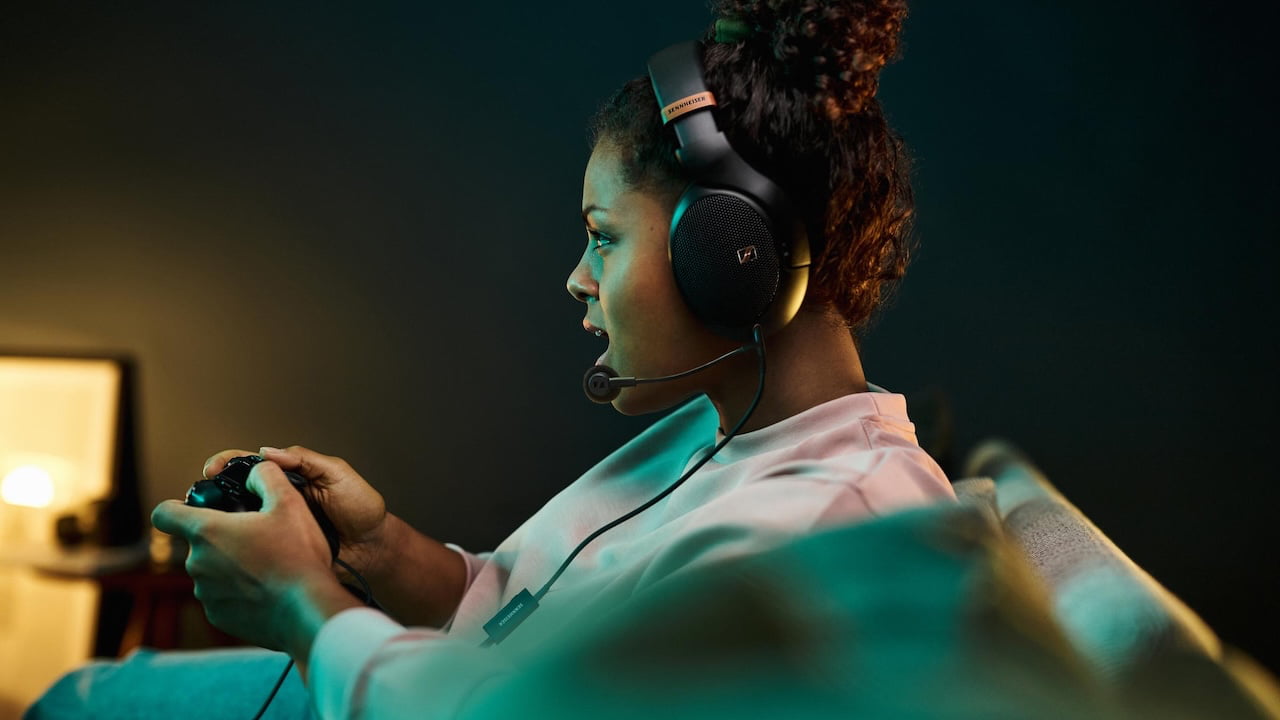
The rumors are true and they’re a lot more complicated than the panic headlines suggest. Sennheiser’s consumer audio business is officially back on the market. Its current owner, Sonova, has confirmed plans to sell the division just a few years after acquiring it, marking a sharp reversal in strategy and raising fresh questions about the future of one of the most recognizable names in personal audio.
But despite the noise online, this is not a shutdown. It’s an exit.
When Sonova acquired Sennheiser’s consumer division in 2021 (closed in 2022), the logic seemed straightforward on paper: combine a legacy headphone brand with a global leader in hearing technology. In practice, the fit was never clean.

Sonova’s core business revolves around medical-grade hearing solutions; hearing aids and cochlear implants where margins are higher, product cycles are longer, and regulatory frameworks create barriers to entry. Consumer audio is the opposite: fast-moving, brutally competitive, and dominated by companies like Sony, Apple, and Bose. That mismatch is now playing out in full.
Sonova has made it clear that the consumer audio division represents a relatively small portion of its overall business, roughly 6% of total revenue, and no longer aligns with its long-term strategy. The company has begun classifying the unit as a “discontinued operation” in financial reporting, a move that triggered confusion and speculation about a shutdown. It isn’t one. It’s a prelude to a sale.
What’s Actually Being Sold and What Isn’t
There’s an important distinction that keeps getting lost in the headlines.
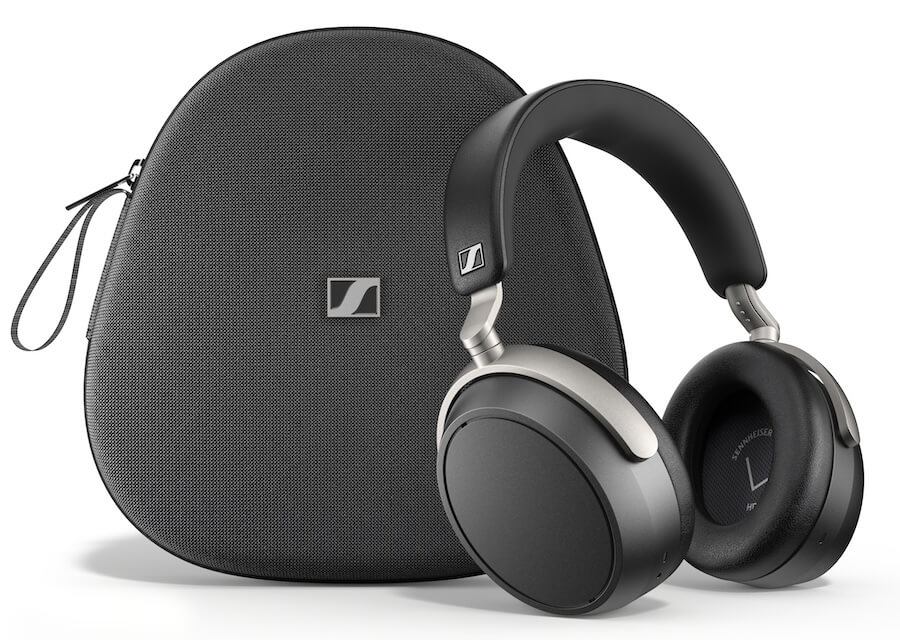
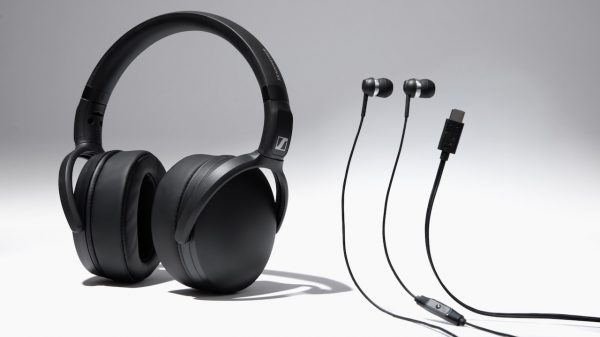
Sennheiser as a company is not being sold. Only the consumer division which includes headphones, earbuds, and soundbars currently produced under license by Sonova is up for grabs.
The professional division remains firmly in the hands of the Sennheiser family and continues to operate independently, including brands like Neumann and the company’s pro audio and broadcast businesses.
In other words: the name stays. The ownership of the consumer products changes again if a buyer can be found.
Business Continues, For Now
Despite the uncertainty, there are no signs of an immediate disruption.
- Products are still shipping
- Development pipelines remain active
- Customer support and warranties are unchanged
From an operational standpoint, it’s business as usual, at least until a buyer is found. That said, a second ownership change in under five years is not a trivial detail. It introduces uncertainty not just for consumers, but for retailers, partners, and engineers working inside the division.
Why Sonova Is Walking Away
This isn’t a story about a brand collapsing. It’s about a strategy failing to deliver.
Consumer audio has become one of the most aggressive segments in consumer electronics. The rise of premium wireless headphones and earbuds has turned the category into a battleground dominated by vertically integrated tech giants with deep ecosystems and massive R&D budgets. Anyone heard of Apple, Sony, or Bose?
For Sonova, competing in that environment while maintaining focus on healthcare proved increasingly difficult and likely not worth the trade-offs. The company is now doubling down on what it does best: medical hearing solutions. The Sennheiser consumer business, while still globally recognized, simply doesn’t fit that mission.

The Bottom Line
Sonova wants out, and what happens next will determine whether Sennheiser’s consumer business stabilizes or drifts further off course.
There are only a few realistic outcomes. A focused audio company could step in and rebuild momentum. A larger tech player could fold the brand into a broader ecosystem. Or private equity could treat it like a balance sheet exercise and strip it for efficiency. Each path leads to a very different version of Sennheiser on store shelves.
We’ve already seen how this can go wrong. Masimo’s ownership of Sound United never made much strategic sense, and it ended the way these mismatches often do—with the business ultimately landing at Samsung/Harman International, where deep resources and actual consumer A/V experience still matter.
That’s the optimistic scenario here. A well-capitalized buyer with a real track record in audio could give Sennheiser’s consumer lineup the stability it hasn’t had since before 2021.
The alternative isn’t hard to imagine—and it’s not pretty. For a brand with this level of recognition and a catalog that still resonates with listeners, watching it bounce between owners again would be less “business as usual” and more a slow erosion of relevance.
Sennheiser isn’t going away. But what it becomes next is very much up for grabs—and for a brand this important to personal audio, getting that wrong would be a genuine loss.
For more information: sonova.com
Related Reading:
- Sennheiser HDB 630 Review: High-Resolution Wireless Headphones With Smart ANC, BTD 700 Dongle, And Exceptional Clarity
- Sennheiser Unveils CX 80U Wired Earbuds And HD 400U Headphones With USB-C Digital Audio
- Sennheiser AMBEO Soundbar Max Gets Long-Overdue 2025 Update: What’s New
- Sonova Buys Sennheiser Consumer Business For €200 Million













Anton
March 24, 2026 at 5:54 pm
That’s not likely to make one buy their headphones going forward. Unless there are some big sales forthcoming.
Losing Sennheiser would be a huge loss.
Ian White
March 24, 2026 at 6:07 pm
Anton,
Sonova paid 220M Euros for the business originally. I suspect it will sell for a lot less now. Consumers (and the media) thought Sennheiser was a much larger company on the consumer side than it actually is. When they only had a few competitors, they made more money, but that has changed dramatically. There are 50+ who sell the same thing now and that’s including brands like Apple, Beats, Sony, and Bose that sell billions of dollars worth of hardware.
IW
Anton
March 26, 2026 at 7:22 pm
I think their products have fallen behind the times. Boring design and only above average sound quality.