
Recovery has a way of clarifying things. About ten days into abdominal surgery rehab, it became obvious that New Jersey in winter, especially this winter, was not the place to heal anything that still complained when I moved. So I fled south first. Florida, on the Treasure Coast. Fewer layers, more sunlight, and a climate that doesn’t feel personally offended by your existence.
Warmer, quieter, and available thanks to a home-sharing agreement with siblings who all went in on a place together, which sounds reasonable until you’re actually living inside it. Think Norris family chaos under one roof, and me landing somewhere between Tommy’s impatience and Nathan the Accountant’s quiet internal screaming.
Too many relatives under one roof, however, is a young person’s game—and I am not young enough for that kind of endurance test. So we went even further south. Tavernier. Islamorada. Hemingway beckoned from Key West like a bad idea that still sounds tempting, but instead I found myself strong enough to start power-walking again at 6:30 a.m., finishing at the local Circle K before the workday began. Which raises an important question: do people actually take real vacations anymore? I knocked out 18 articles in one week. Nobody ever said I was lazy. And for the record, I don’t even own a Bombardier Global 6000 jet.
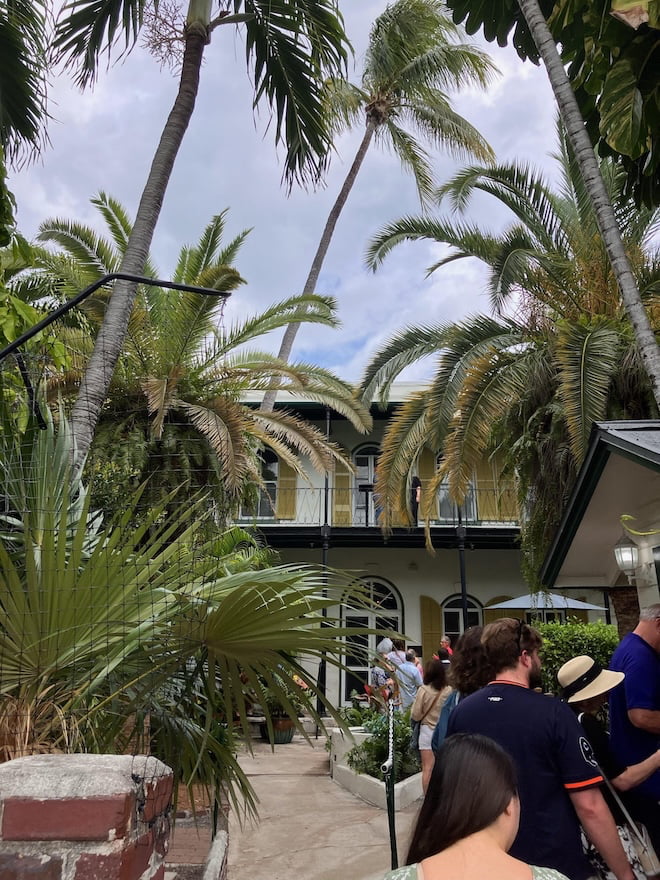
Then I came home. Right on time. Just in time for the worst snowstorm to hit Jersey in eight years, with temperatures best understood by people from my hometown and long-suffering Maple Leafs fans (still not making the playoffs… go my beloved Red Wings). The timing was impeccable in a darkly comic way. Recovery doesn’t care about irony, but it sure seems to appreciate it.
The upside of all this displacement was time. Real time. Enough to finish Season 2 of Landman, which is equal parts entertaining and ridiculous, read without constantly checking the clock, cycle through the pile of wireless headphones in my travel bag, and laugh out loud at how strange this year’s Oscar nominations are. Healing slows you down whether you want it to or not. Distance helps. You spend more time observing, absorbing the complaints of people perpetually angry about something, and quietly muttering the god’s honest truth most of us already know but rarely say out loud.
Jazz Dispensary Turns 10, Digs Deeper with Joe Henderson
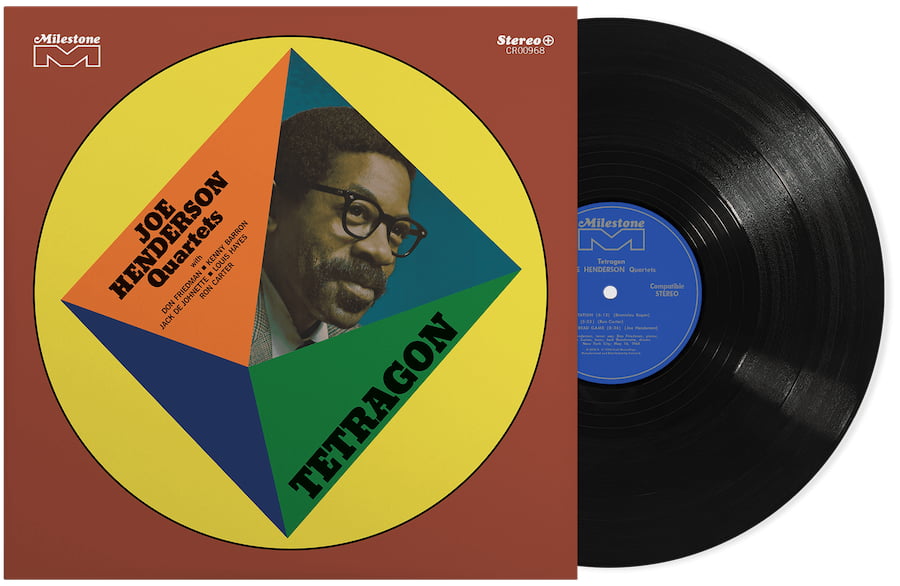
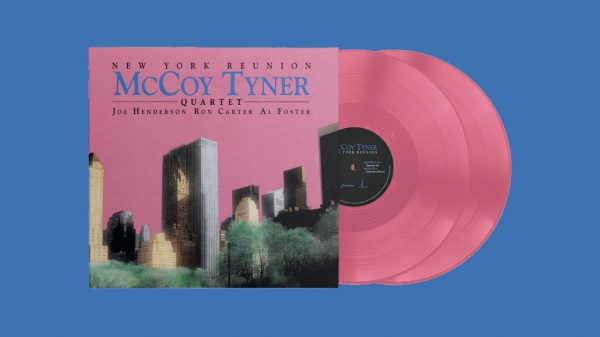
Jazz Dispensary turns 10 this year, and Craft Recordings is marking it without pretending this is some kind of cultural rescue mission. The anniversary release that matters is Tetragon, Joe Henderson’s 1968 post-bop album, out of print and off vinyl for more than 50 years. It returns March 13 as a Top Shelf title on 180-gram vinyl and hi-res digital. That is the news.
Jazz Dispensary is Craft’s in-house archival imprint, and its job is simple: go deeper into the Prestige, Milestone, and Fantasy catalogs and pull out records that never got a fair shake the first time. These were not beginners. Most of these musicians had already worked the circuit and were ready to stop playing it safe. By the late 1960s, jazz was absorbing funk, soul, and the broader cultural noise of the era. Some of it landed. Some of it didn’t. A lot of it was ignored.
What Jazz Dispensary does is present that material cleanly and without commentary. The pressings are solid. The mastering is handled properly. The artwork reflects the original releases. No modern rebranding. No mythology layered on top. Just the record, done right.
Vinyl is the point of entry, but Craft has also made sure many of these titles are finally available on streaming platforms, often for the first time. That matters more than most people want to admit. Discovery does not happen in record stores alone anymore.
Ten years in, Jazz Dispensary is not about changing the jazz conversation. It is about keeping part of it from disappearing. Tetragon is a logical place to start the anniversary year because it never needed rescuing. It just needed to be available again.
Where to pre-order: $32.99 at Amazon or Jazz Dispensary
Custom Integrators in the Keys Know the Environment Always Wins

The CI category is not shrinking. It is doing the opposite, loudly and with intent. CEDIA is proof. If anything, it keeps getting bigger, broader, and harder to ignore. Our coverage from CEDIA 2025 reflected that reality and it was one of the strongest shows we have attended in the post COVID era. Too much new product. Too many categories colliding. Too many serious conversations happening at once. This year we are sending the full team because trying to cover it with a few exhausted editors borders on genuine stupidity.
There is also a truth worth addressing without pretending otherwise. As much as I enjoy complaining about how expensive high-end two channel audio becomes once you drift north of the mid tier and cross the five thousand dollar line, CI growth exposes a different reality altogether. There are two kinds of customers. The first wants a layer of convenience. Shades that move on cue. Lighting that behaves and creates moods I am not convinced anyone actually needs. Security that works. HVAC that does not feel like it was designed by a committee of sadists. Add Sonos throughout the house and call it a day.
The second group wants all of that and then keeps going. Custom theaters. Media rooms that actually sound right. In-wall and in-ceiling speakers everywhere. Outdoor zones. Marine audio. TVs that live outside and somehow survive heat, salt, storms, and the occasional thrown drink. None of this is cheap. Not the gear. Not the install. Not the maintenance. Complaining about the price misses the point. This is not about value engineering. This is about building systems that work where the environment actively tries to break them. Especially in the Keys, where nature always bats last.
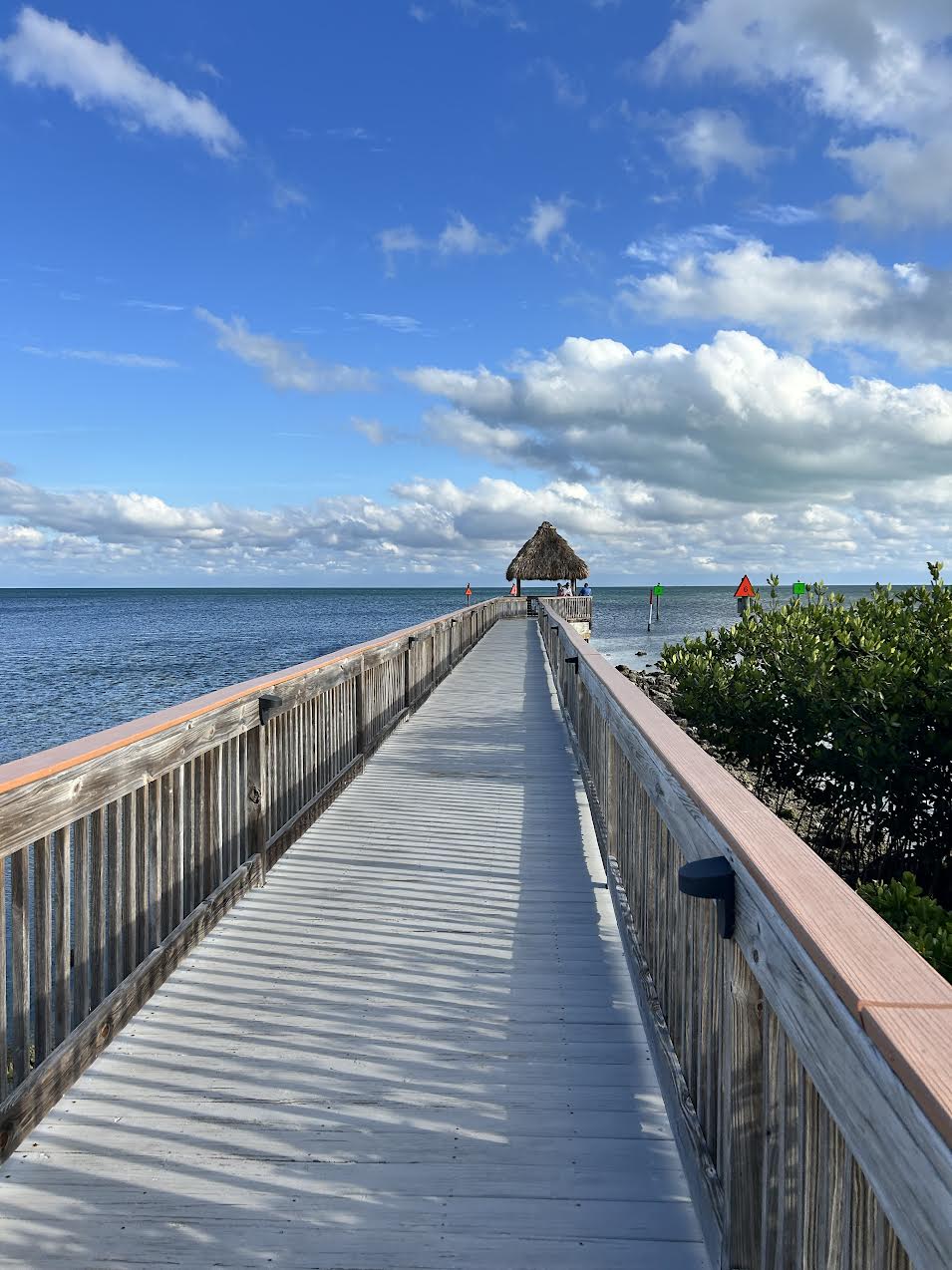
Our Airbnb in Tavernier was a two bedroom condo overlooking the Atlantic side of the Keys, and the owners clearly fell into CI customer number one. Automated shades. Sensible. 65″ Hisense miniLED TVs in the living room and both bedrooms. A Sonos Arc in the main space, Sonos speakers in each bedroom.
We barely watched any TV, because that would have been a waste of perfectly good Keys daylight. Kayaking through mangroves. Manatees drifting past like they own the place. Fishing. Swimming. Sitting around eating fish tacos that passed the family kosher test. The Sonos system handled background music without complaint, which is really the point. It filled the space without demanding attention.
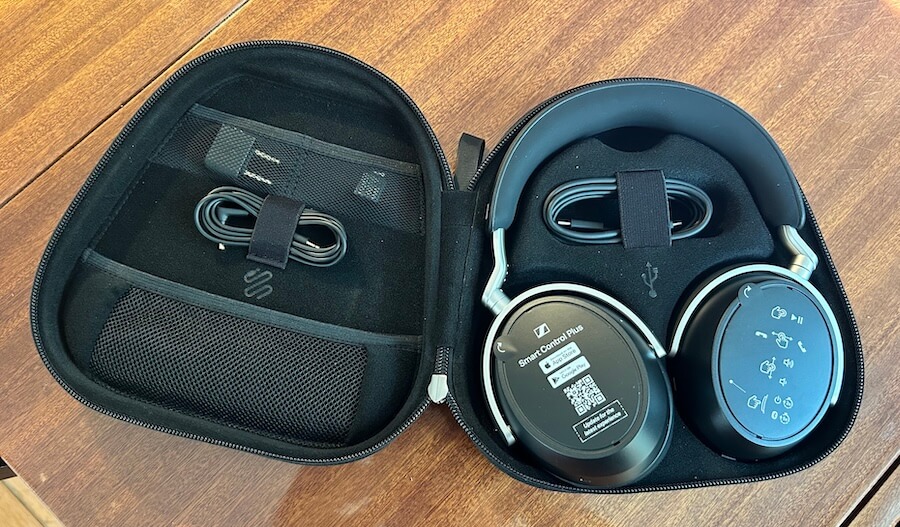
At night, reality took over. Everyone retreated to their own screens. My college age son sat on the balcony with his iPad and AirPods, watching his beloved Knicks lose two nights in a row. My youngest disappeared into TikTok on her iPad, borrowing my Sennheiser HDB 630 wireless headphones. No shared screen. No communal listening moment. Just parallel experiences happening a few feet apart.
This is what living with technology looks like in 2026. A good TV you rarely turn on. Whole home audio reduced to ambience. Personal devices doing the heavy lifting. And here is the part no one likes to admit. We built all this tech to bring people together and somehow made it easier for everyone to sit alone, inches apart, fully connected and completely separate. That is not a systems problem. It is a human one, and it stuck with me overnight. The way we use this technology, the way we default to it, has been weighing on me more than I expected. And if it can creep in and linger even in places as calm and grounding as Tavernier and Islamorada, it is probably worth paying attention to.
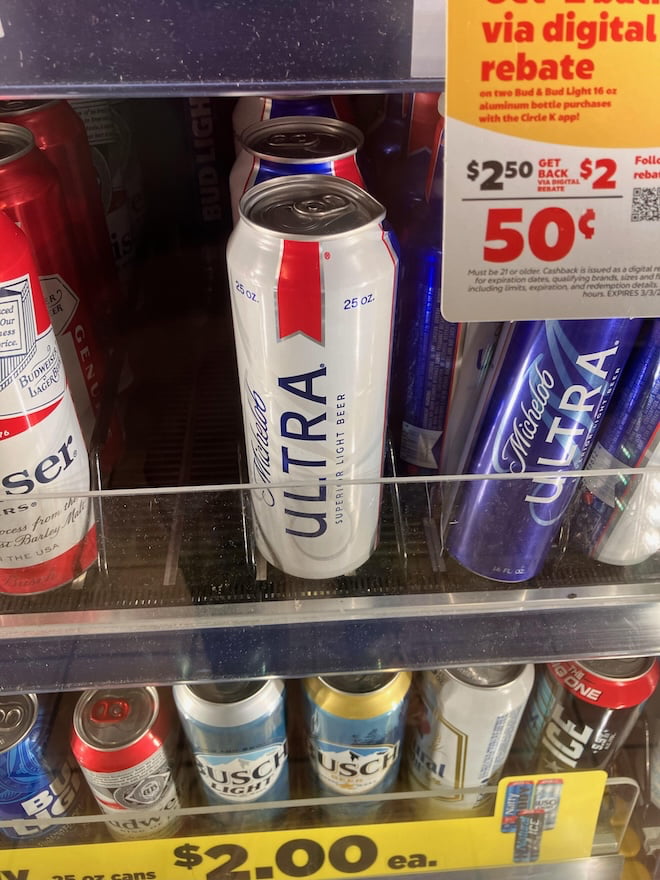
After one of our usual three mile walks at 6:30 a.m., the missus and I wandered into the Circle K closest to our development. In the Keys, logistics are simple. One real highway. Cross it carefully. It is usually clogged with Ford F-150s loaded with fishing gear, towing boats that cost more than most sedans. Contractors grabbing coffee before the heat turns everything into soup. Whatever your politics, ICE is not exactly welcome here. Even this far south, deep into Trump country, the Keys play by their own rules.
That is where we ran into a few workers from Innovative Technology Solutions in Key Largo. Easy conversation. No sales pitch. Just people who clearly know the territory. They handle the full CI stack. Lighting, home automation, multi-room audio, connected home systems. Lutron. Control4. Sonos. Ketra. Coastal Source. The serious stuff. They do very high end work, and if you have spent any time in Key Largo or Islamorada, you have probably seen it without realizing it. Some of the most expensive homes in the area rely on their installs to stay invisible and functional.
There is not a Best Buy or a high-end audio store for more than a hundred miles. That alone explains why a business like this can thrive here. This is not the $5,000 cable crowd or the $20,000 turntable crowd, even if the driveways packed with Range Rovers, trucks, Teslas, and other high end SUVs might suggest otherwise. What matters here is systems that work, stay out of the way, and survive the environment.

Living in the Keys changes priorities. There is limited land, nowhere left to build unless you are comfortable living on top of the ocean or the Gulf, and real estate prices that reflect that reality. Customers here care about the views. The technology is there to disappear, not compete. The ocean and the Gulf stay the stars, and everything else knows its place.
Wireless Headphones on the Road Are No Longer Optional
Normal people fly out of the airport closest to home. For me, that would be Newark Liberty, a 45-minute shot from the Shore and perfectly acceptable when it is not busy losing contact with the airplanes in its own airspace. Unfortunately, I am married to someone who views airfare strictly through a spreadsheet lens. Saving fifty dollars per ticket times five beats convenience every time. So JFK it was. Progress came in small victories. I put my foot down on one thing: carry-on luggage only. No exceptions. And yes, we had to follow my slightly unhinged travel rule of being at the gate three hours early. I have issues. Free Wi-Fi means I can open the laptop and work. More issues.
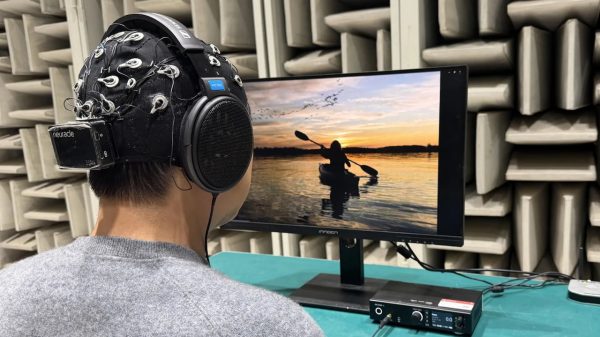
When you have kids who are 23, 19, and 12, you are already paying for Spotify Premium and every video streaming service known to man. Resistance is futile. My youngest lives on TikTok and Japanese anime and refuses to use earbuds on principle. Which is how she ended up rummaging through my bag, ignoring the unspoken rule that whatever is in there is either for work, TSA scrutiny, or not helpful to my weight loss goals. She pulled out my Sennheiser HDB 630 wireless headphones, downloaded the app, paired them to her iPhone, and was up and running in under two minutes. These kids are not impressed by our experience. They are faster and smarter than we ever were.
That left me with my Bowers & Wilkins Px8 S2 for the rest of the trip. I survived. While working through post-CES coverage, I started paying attention to what everyone else around me was wearing. Apple. Sennheiser. Bose. Sony. Focal. Bowers & Wilkins. Beats. The pattern was obvious. Consumers are willing to spend real money on wireless headphones, even though everyone knows they are disposable and replaceable at this point.
And this is the part our industry still struggles to accept. None of these people are mentally leaping from a pair of premium wireless headphones to $10,000 speakers or a high-end DAC or $5,000 turntable. You can see it in real time. This is where the money is going. Pretending otherwise does not make it less true.
The Oscars Go Big on Sinners While Everyone Pretends This Is Still About Movies
When I was a kid, the Academy Awards actually mattered to me. Deeply. Starting around age eight, not long after Star Wars detonated my brain in 1977, I begged my parents to let me stay up late and watch the Oscars with them. The days leading up to the broadcast were filled with real anxiety. I cared who won. I argued about it. I remembered it. That sounds ridiculous now, but it made sense then. Movies were better. Movie stars were bigger. They existed in a world without social media, without access, without the illusion that you might bump into one at Whole Foods. Stardom meant distance. Mystery. Gravity.
The two moments that sealed that worldview for life happened on the same trip, right after my Bar Mitzvah in 1983. Toronto to New York City. I was thirteen. Pre growth spurt. Alone in a hotel elevator with Demi Moore and her bodyguard, years before she became anyone’s cultural shorthand, her face still capable of moving in nineteen directions. That alone would have been enough. It was not.
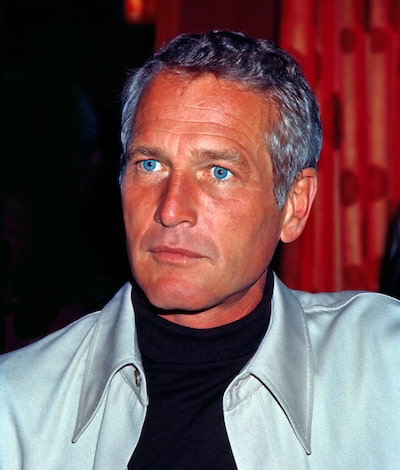
That night, we had dinner at the Russian Tea Room. Same booth used for the famous date scene in Tootsie. I looked up and sitting directly across from me was Paul Newman with Joanne Woodward and their daughters. Paul Newman. Reg Dunlop. Ari Ben Canaan. My speech impediment came roaring back. I still got up and walked over to say hello. My parents were mortified. He was a little tipsy, completely gracious, and somehow even better looking in person than on screen. Those blue eyes were not a lighting trick.
As if the universe was intent on overcorrecting, Charles Grodin and Yaphet Kotto were sitting at the bar.
I was spoiled for life.
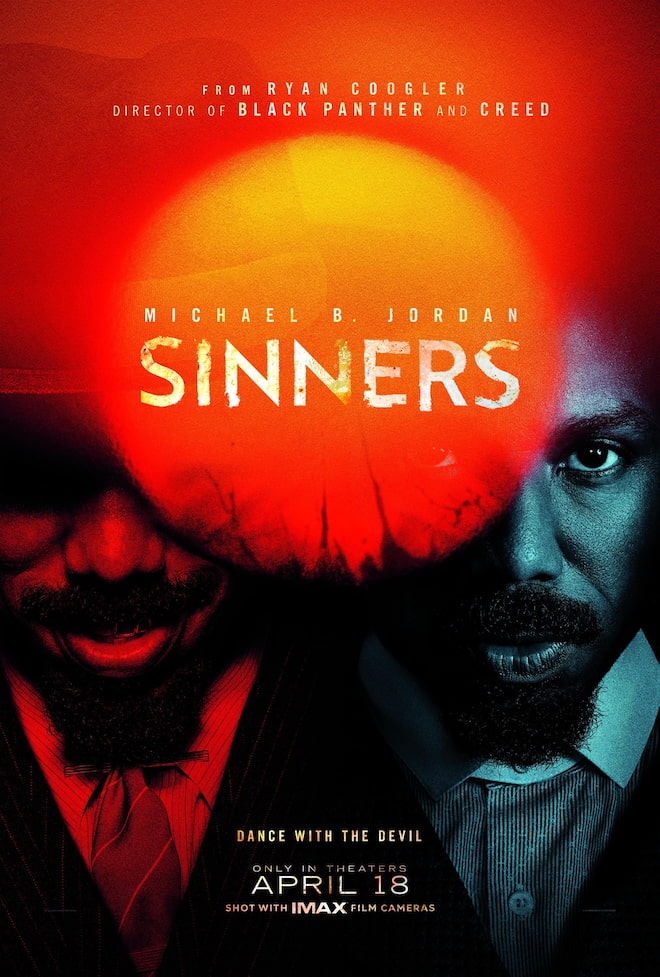
That is what stardom used to feel like. Larger than life. Unreachable. Worthy of awe. Which is why watching the Oscars today feels so hollow. When Sinners racks up a record number of nominations and everyone pretends this is still about movies, I cannot help but notice what is missing. The sense that this matters. The idea that these people occupy a different orbit.
We flattened stardom, turned it into filler for TikTok, Instagram, and X, and then acted surprised when the magic evaporated. This is not nostalgia talking. It is perspective. Stardom used to mean distance. Now it means a content schedule. Celebrities telling us what to buy, what to think, who to vote for, why this group is evil, why that politician is Hitler, why every issue needs a caption and a brand tie in. Enough. Just shut up and make great movies.
Enjoy the millions. Enjoy the access. Enjoy the private planes and the curated outrage. But stop pretending movies still sit at the center of the culture the way they once did. The box office already told us the truth. Movies are no longer essential. They are optional. Background noise competing with everything else on the screen. When you grow up believing movies can change you, it is impossible not to notice when the industry stops trying to make you care and starts begging you to engage instead.
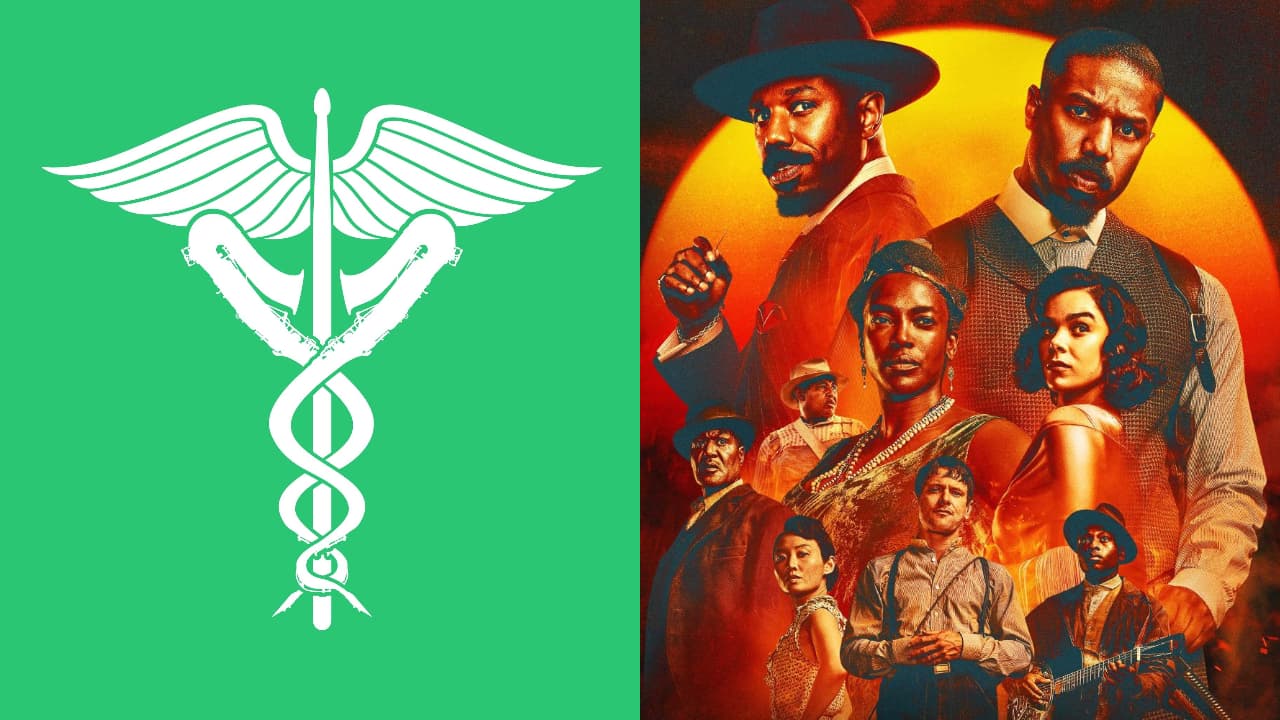
I have been clear about this in these pages for the past twelve months: I loved Sinners. I bought the 4K Blu ray almost immediately, and yes, primarily for the music. No hedging. No backtracking. It worked for me in a way very few recent films have. But here is the uncomfortable part. Liking Sinners does not mean pretending the Oscars still function the way they used to, or even the way they should.
The Academy Awards were once about the best. Five Best Picture nominees. That was it. You could argue about who got left out, but the list itself meant something. It was curated by limitation. Now we have ten nominees, animated films spun into their own lane, and categories multiplying like a streaming service content slate. And now Best Casting. Best Casting. That is an Oscar category now? We already give awards to actors. Multiple acting categories, in fact. Are we really at the point where we need to hand out statues to the person who assembled the group and then step aside while everyone pretends this is progress?
The Best Picture lineup this year is generally perplexing and not exactly a great sign. When the conversation includes titles like Bugonia, F1, Frankenstein, Hamnet, Marty Supreme, One Battle After Another, The Secret Agent, Sentimental Value, Sinners, and Train Dreams, it starts to feel less like a statement about the year in film and more like an exercise in hedging bets.
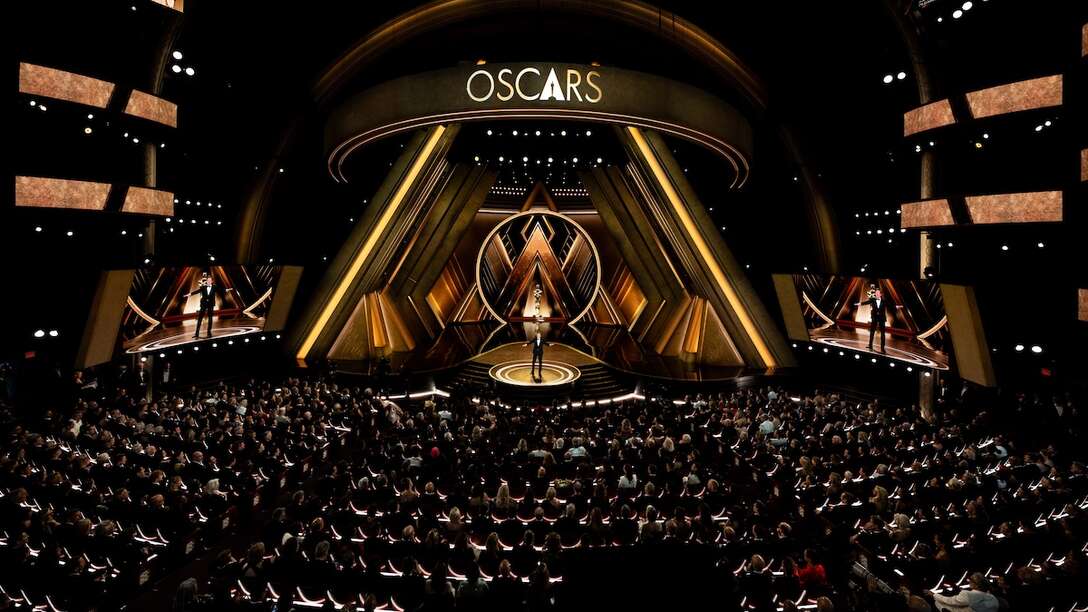
I should add this, because it matters. I have seen all of them. Every single one. I fell asleep during three, which is not an achievement I am proud of, but it is an honest data point. I do not get invited to premieres. I am not flown anywhere. I pay my own way and watch eight to ten new films a month at my local AMC or the nearby indie art house. That is the job. Sit down. Watch the movie. Stay awake if it earns it.
And here is the uncomfortable truth. At least five of these films would never have earned the time of day back when a Best Picture nomination actually meant something. When five slots existed and studios had to make a real case, not just check a box. Today, studios spend a fortune making these movies and an even bigger fortune promoting them, but money and momentum do not equal quality. They never have.
This is where the Oscars lose me. Expansion has not raised the bar. It has lowered the stakes. When everything can be nominated, nothing feels essential. And when someone like me, who still shows up, still pays, still watches, walks out unconvinced, that is not cynicism talking. That is the sound of weight slowly leaving the room. And no amount of new categories is going to bring back stardom, gravity, or that sense that what you were watching might actually last.
Catherine O’Hara Dead at 71 — Moira Rose and Lola Heatherton Take Their Final Bow
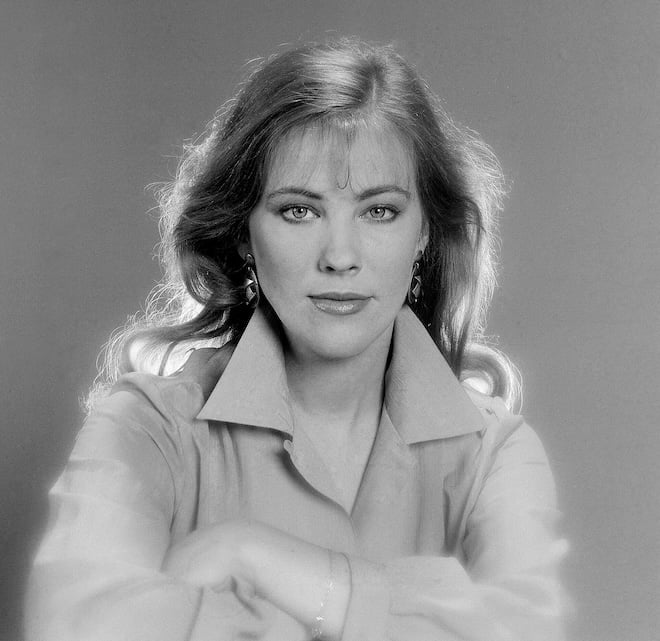
As I was making my rounds on Friday, shopping for the Sabbath, cursing the collapse of the Polar Vortex, and laughing at the radio as the NHL Network once again found new ways to excuse the Toronto Maple Leafs, my phone lit up with alerts that stopped me cold. Catherine O’Hara was dead. I pulled over into the Wegmans parking lot, sat there for a minute, and checked multiple news sites just to be sure. Sometimes you hope the algorithm got it wrong. This time, it didn’t.
If you grew up in Toronto or anywhere in Canada in the 1970s and were lucky enough to watch SCTV on CityTV in the 416, Catherine O’Hara was not just famous. She was ours. A Toronto girl. Blonde, lanky, warm, fearless, and razor sharp. Long before Home Alone, Beetlejuice, or Schitt’s Creek, she was already doing work that most comedians never touch in a lifetime. Live. Weird. Smart. Unapologetically committed.
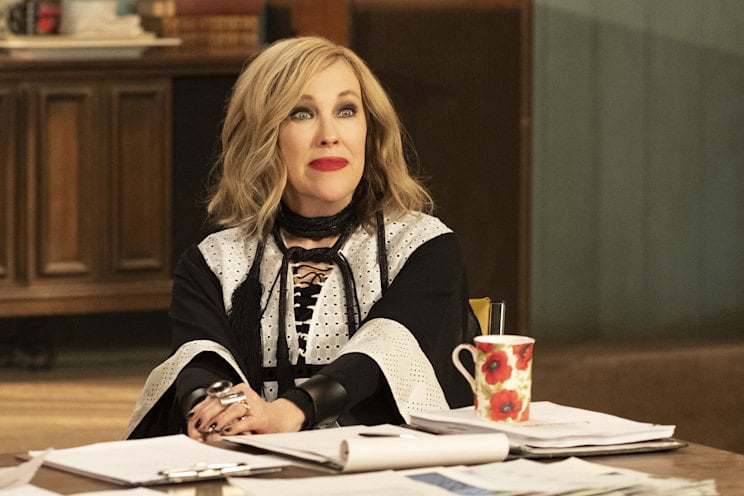
People will remember her for Kevin McCallister’s frantic mother and for Moira Rose’s wigs and vocabulary, but that barely scratches the surface. If you have never watched her on SCTV alongside John Candy, Eugene Levy, Joe Flaherty, Martin Short, Andrea Martin, Robin Duke, Tony Rosato, Dave Thomas, and Rick Moranis, you have not really seen Catherine O’Hara. That show was lightning in a bottle, and she was one of the reasons it burned so brightly.
I was fortunate enough, over the years, to have chance encounters with a few of those legends, including the late John Candy, a story I will save for another time. One of those moments involved Catherine O’Hara herself, years ago in Yorkville. I was walking out of a restaurant with my mother and aunt when she came down the street, impeccably dressed and bundled up because Toronto winters do not care who you are. I was shy as a kid because of my speech impediment, except when it came to famous people. I called out, “Will we see you at the party, Miss Heatherton?”
She stopped, smiled, and said, “Only if you’ll be there,” before crossing the street and carrying on with her day.
That was Catherine O’Hara. Warm. Quick. No snobbery. Fully aware of the joy she brought people and generous with it. Bloody good at her job, and never in on the joke at the audience’s expense.
She came from a time when stars did not need to explain themselves online, sell us things between opinions, or remind us why they mattered. They just did the work. And sometimes, if you were lucky, they smiled back.
Or, as Moira Rose once said with the kind of unearned confidence only Catherine O’Hara could make feel human: “Take a thousand naked pictures of yourself now. You may currently think, ‘Oh, I’m too spooky.’ But believe me, one day you will look at those photos with much kinder eyes and say, ‘Dear God, I was a beautiful thing.’”
Catherine O’Hara understood that instinctively. We were lucky to watch her prove it.
Related Reading:
- IMAX Ascendant, CES 2026 Makes Home The Destination, Hollywood Consolidates And The Box Office Reality Check: Editor’s Round-Up
- Steve Cropper, FiiO Air Link, Wharfedale Diamond 12.3 & Other War Stories — An Editor’s Round-Up From A Hospital Bed
- Stranger Things Strike Again: IsoAcoustics, IsoTek & The Great Weiner Resurrection: Editor’s Round-Up
- The Head-Fi Bubble, Aavik Goes Nuclear, McMurphy Still Dies, And Wharfedale’s Super Denton Redemption: Editor’s Round-Up
























Andy
February 2, 2026 at 1:46 pm
Catherine O’Hara was always somewhat of an enigma for me. Not classically beautiful but strong and quirky in an an elegant way.
Her delivery was top notch. Just a great comedic actress.
Florida looks warmer than here.
The Oscars jumped the shark about 20 years ago. Movie stars today are all nauseating twits. Performative outrage about anything.
Ian White
February 2, 2026 at 2:50 pm
Andy,
She was not your typical Hollywood star. She didn’t hang out with the Epstein Island crowd or invite controversy. She focused on the work. Lola Heatherton was one of her best characters.
Florida was “warm”-ish but got a lot colder after we left. It’s not so warm there right now.
I stopped watching about 15 years ago.
IW